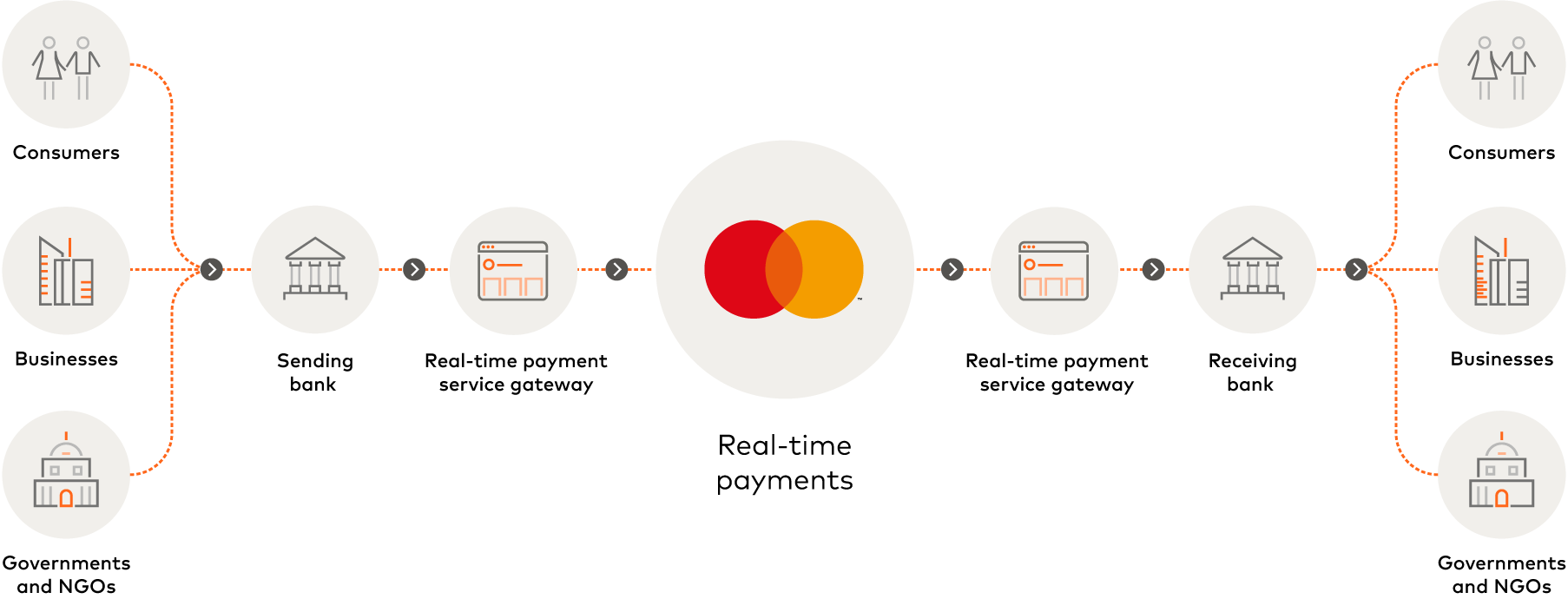
Mastercard real-time payments
Redesigning the experience for payments infrastructure
Client
Mastercard
Duration
Sept 2018 - Dec 2022
(multiple projects)
Core Capabilities
Enterprise design transformation
Experience strategy
User research
UX design leadership
The Challenge
Historically the real-time payments product was built from the inside out, where the technology led the experience. This had produced a sub par user experience for customers who now had higher expectations from digital products.
Knowledge of users was very limited and they were generally only referred to by their role and permissions in the system rather than their real world goals and needs.
The users monitor and manage the infrastructure system (teams within Mastercard Ops), use the product to keep on top of payments running through the infrastructure (banking scheme users), monitor and troubleshoot their payments in/out via the product (Bank users). This is an Enterprise/B2B product that enables a variety of B2C payments.
The Process
1.
To define the problem space, understand users’ context of use and pain points I planned and conducted a research project with Mastercard’s US real-time payments customer.
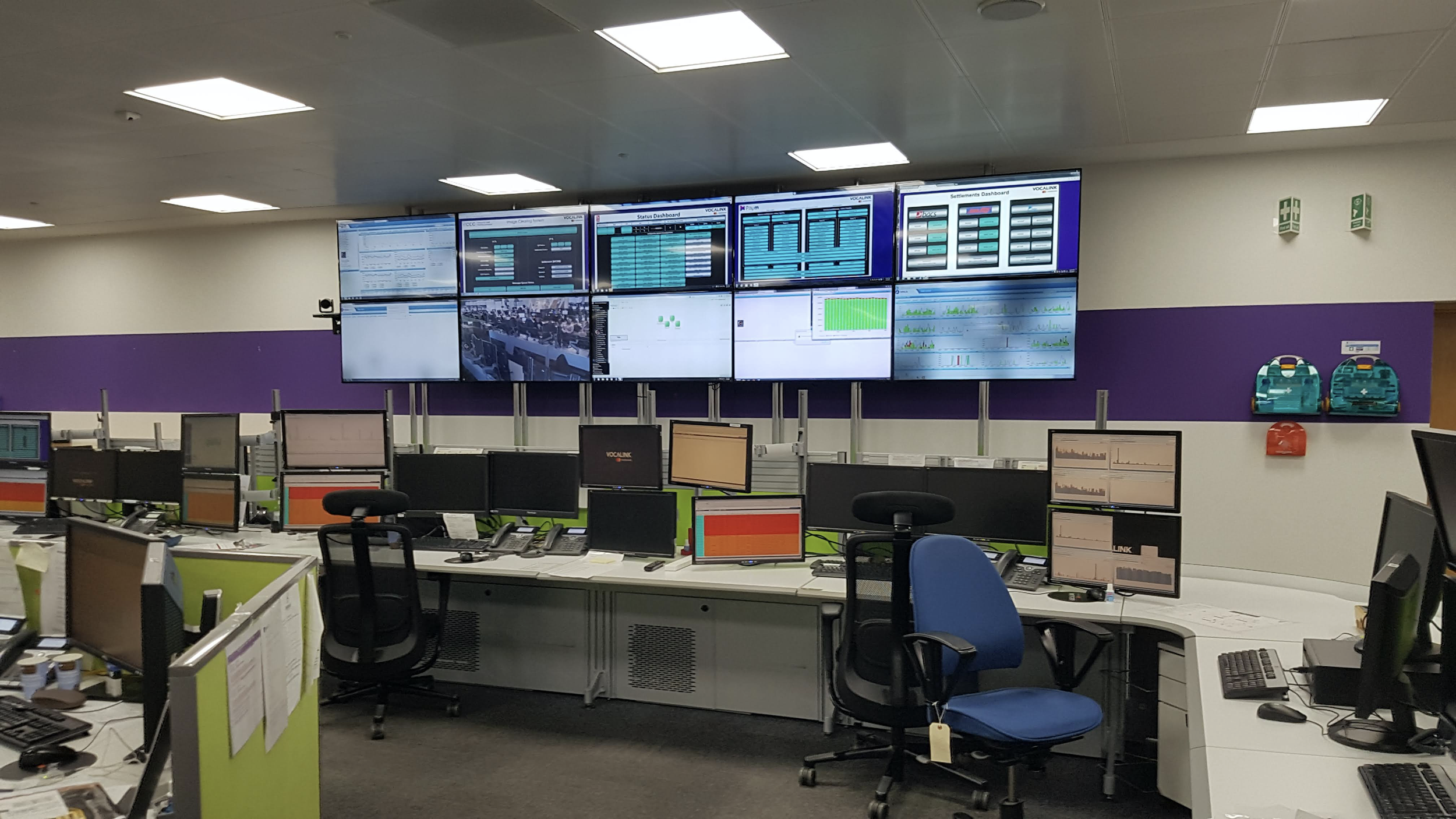
This involved site visits to North Carolina and New York network ops centres to conduct in-depth interviews with users to understand their roles, issues, motivations and workflows using the legacy system.
The insights gained from this research gave product and engineering teams a better understanding of their users. It also clearly demonstrated the problem space and need for experience research & design to improve the product. I was able to secure approval from senior leadership to increase our permanent head count and secure further funding for both design and front end dev capability.
2.
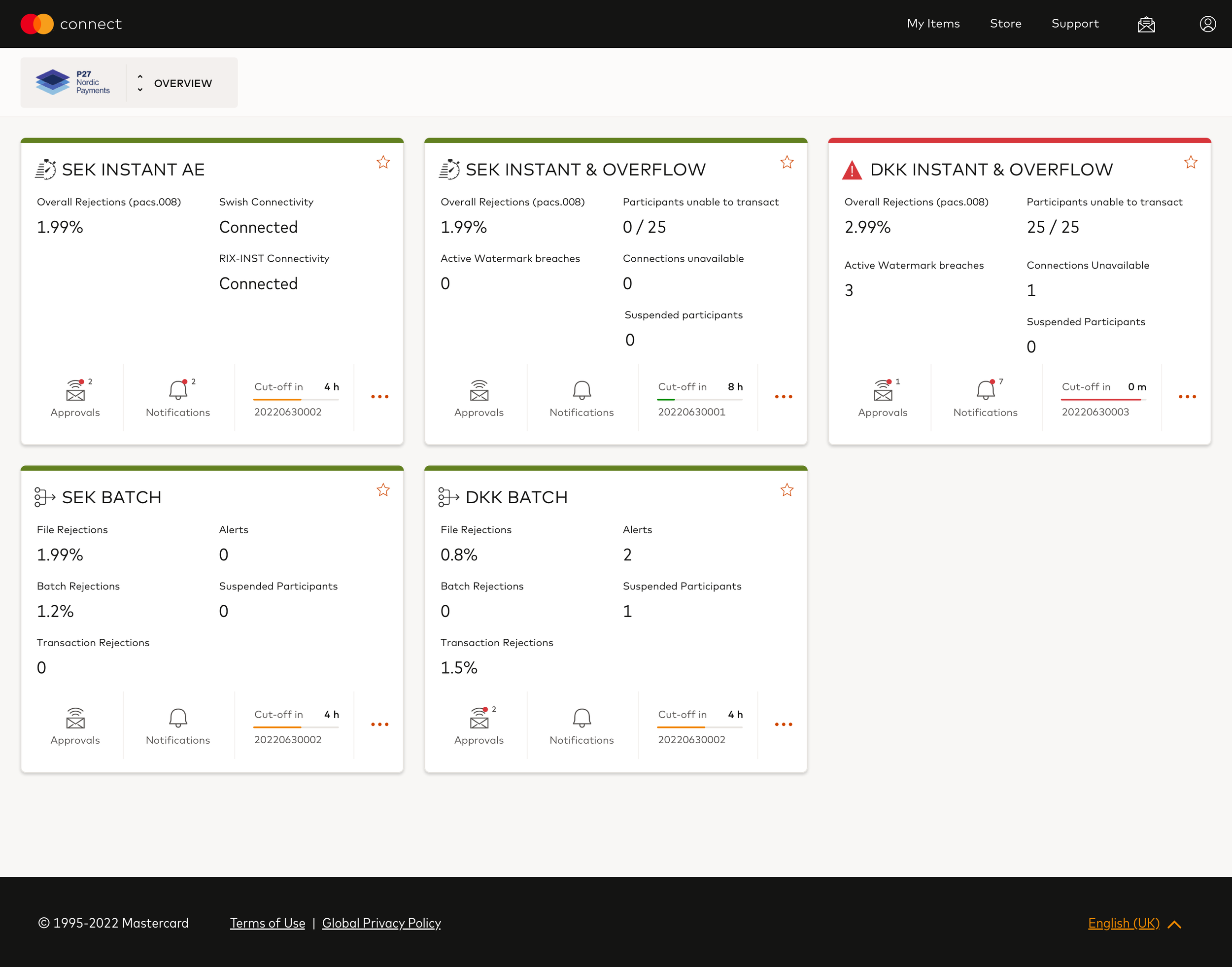
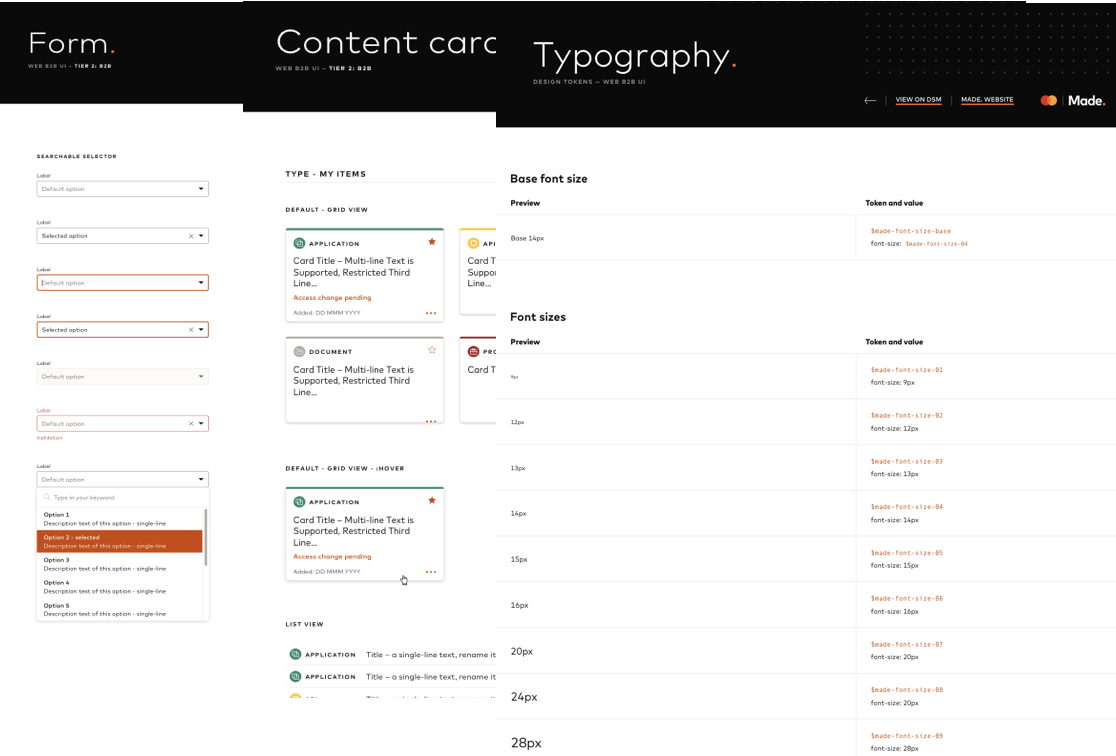
Working with product manager colleagues the research insights helped form an innovative product roadmap intended to improve the feature set of the product, unify the products within the infrastructure suite into a single front end aligned to a Mastercard wide design system. White-labelling capability, multi-language and accessibility were planned in from the start.
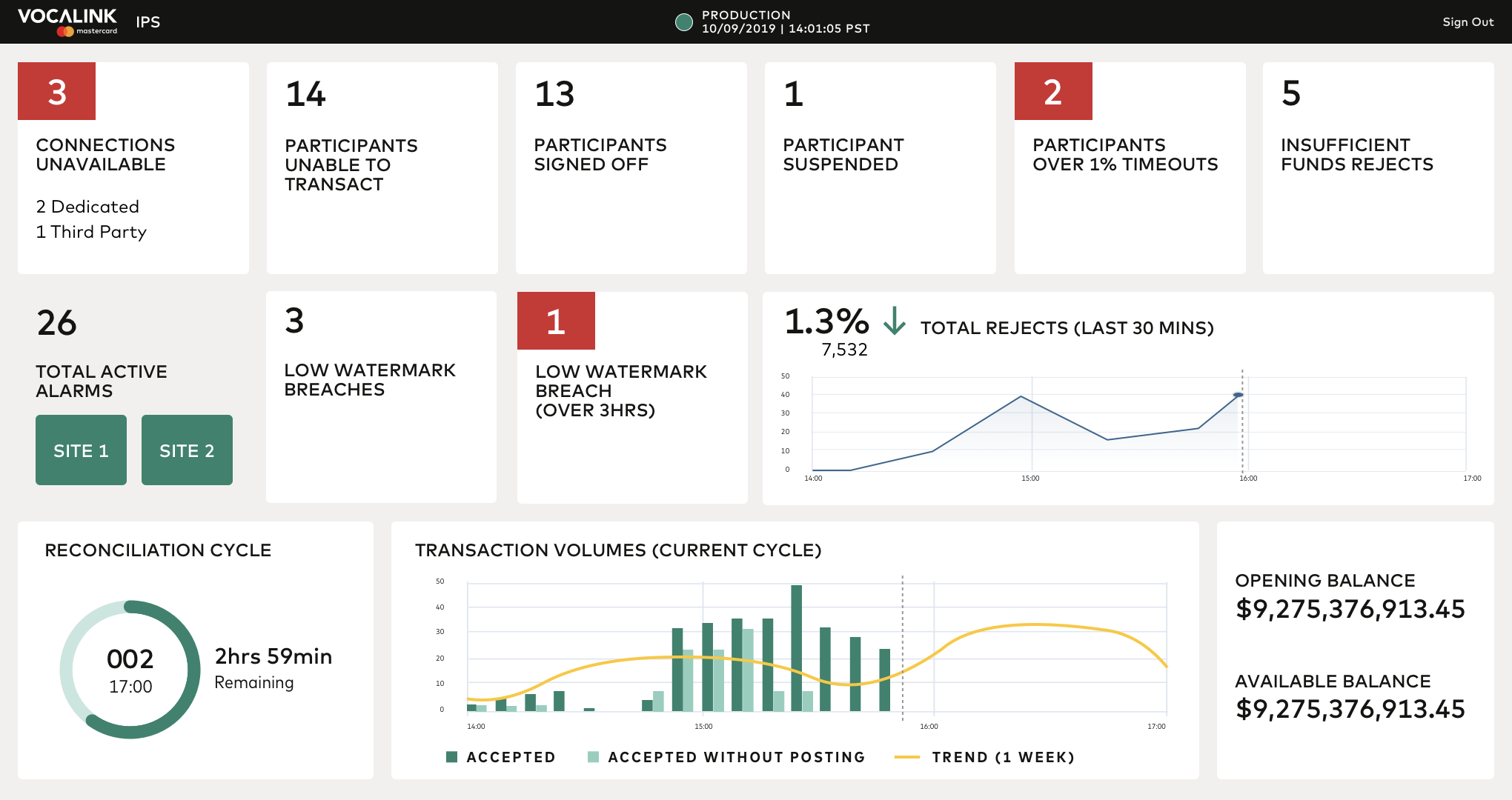
Dashboards for use in network ops centres were also prototyped based on user needs when monitoring and managing the system to sit alongside other monitoring tools such as Splunk and Dynatrace.
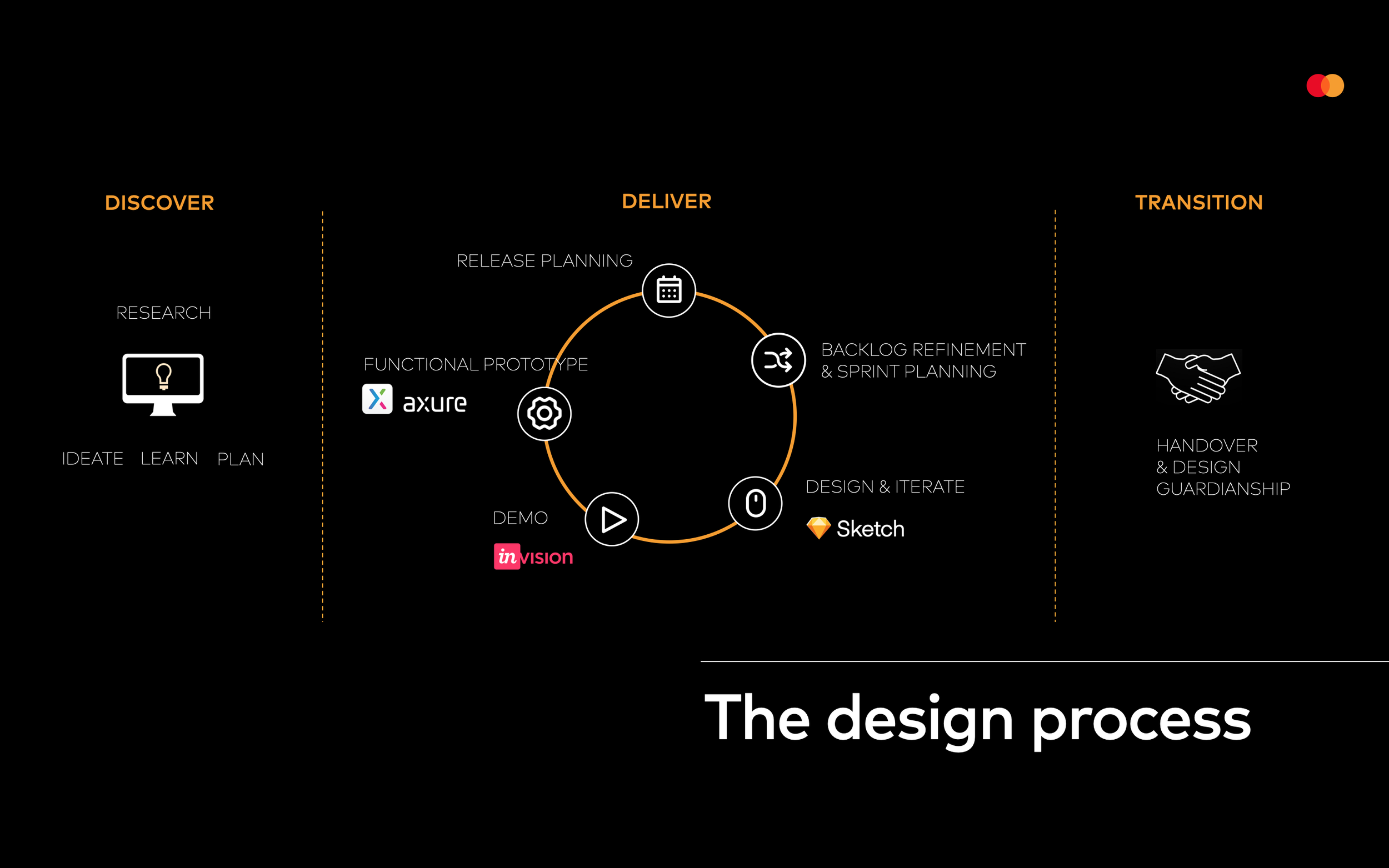
Working initially with Sketch and Invision and transitioning over to Figma enabled the team to maintain consistent designs aligned to a Mastercard wide design system. The team also contributed back into the design system with new components to help evolve the design system and keep it fit for purpose for enterprise applications.
3.
My team designed and prototyped several iterations of both the instant and bulk payments products which were being rebuilt on a new architecture which were then put through usability testing with customers during the development process. This was a first for this business unit in Mastercard and generated valuable valuable insights to help de-risk development and ensure optimal usability of the system.
My role involved design direction of UX design work both the in-house team and using third-party designers for key deliverables. I occasionally picked up design work when capacity was stretched. Along with this briefing designers, chasing up requirements and helping plan workload and priorities alongside product owners and dev leads in order to deliver designs to aggressive deadlines.
I led my team through continued research engagements with customers in the Nordics and Canada, utilising prototypes for evaluative testing alongside exploratory discussions about context of use and future needs.
Our business unit grew exponentially through 2019 and 2020 and I led the design team fully remotely through the pandemic from 2020 until our phased return to office in late 2021. My team size ranged between 5 - 15 members including the supplementation from external vendors on key project phases.
Mural, Zoom and remote usability tools such as Validately (now known as UserZoomGo) were heavily used during this time. One of the most effective changes I put in place was a daily 15-30min end of day video call/office hours chat. It gave the opportunity to keep the team aligned and chat informally which was really valuable to combat the feeling of isolation with limited face to face socialisation.
4.
After proving the value and capability of the team through our successes with client deliverables and discovery research I was given the opportunity to define the vision and strategy to widen the team’s remit with the goal of improving the customer experience across all verticals. The customer ecosystem is wide ranging, from general population users sending money via the real-time rails (using their banking apps and wallets) through the sales pipeline with the prospective purchaser of the infrastructure all the way through go live and into an operational/monitoring environment to the people running the infrastructure.
5.
The Outcome
All of Mastercard’s international real-time payments infrastructure products now share a common design language with consistent interaction patterns and have been usability tested with real users. This is a huge leap forward and has turned the product experience from being a negative into a positive talking point for future sales and new customers.
Customers in the Nordics, Canada and Middle East are benefitting from the design work the team accomplished and will be offering real-time payments to their respective country’s populations in 2022. Mastercard’s regional ops teams also benefit from this design work as they manage the daily running of the platforms as part of a managed service.
The insights gained from the many rounds of generative and evaluative research we conducted over the last few years have filled a product roadmap with features to future-proof the infrastructure products and maintain their position as one of the world’s leading payment network providers. Applying the new vision for the CX strategy will continue to build on the positive impact the transition to User Centred Design has had on the business unit and optimise Mastercard’s RTP customer experience across the whole product lifecycle.